
Why Road Trip Safety Tips Matter More Than You Think
Picture this: It’s 2 a.m. on a lonely stretch of highway. Your playlist is humming, snacks are scattered, and suddenly—your tire blows. If you’ve ever felt that jolt of panic, you know why road trip safety tips aren’t just nice-to-haves. They’re the difference between a smooth journey and a story you’d rather not tell. Whether you’re a seasoned road warrior or a first-timer, these tips can save you time, money, and maybe even your sanity.
Who Needs Road Trip Safety Tips?
If you’ve ever packed the car and thought, “What could go wrong?”—this guide is for you. Maybe you’re driving cross-country with friends, wrangling kids in the backseat, or heading out solo for some much-needed freedom. Road trip safety tips matter for everyone, but especially if you:
- Drive long distances through unfamiliar areas
- Travel with kids, pets, or anyone with special needs
- Rely on your car for the whole journey
- Want to avoid roadside disasters and keep the good vibes rolling
If you’re the type who loves a little chaos, you might skip some of these. But if you want to remember your trip for the right reasons, keep reading.
Pre-Trip Prep: The Foundation of Road Trip Safety
Check Your Car Like a Pro
Here’s the part nobody tells you: Most road trip disasters start before you even leave the driveway. A quick check can prevent hours stranded on the shoulder. Use this checklist:
- Tires: Check pressure, tread, and look for cracks. Don’t forget the spare.
- Fluids: Oil, coolant, brake, and windshield washer fluid. Top off or change as needed.
- Brakes: Listen for squeaks or grinding. If in doubt, get them checked.
- Lights: Test headlights, brake lights, and turn signals. Replace any burnt-out bulbs.
- Battery: Look for corrosion and make sure it’s holding a charge.
Pro tip: Snap a photo of your car’s dashboard before you leave. If a warning light pops up later, you’ll know if it’s new.
Pack for Safety, Not Just Comfort
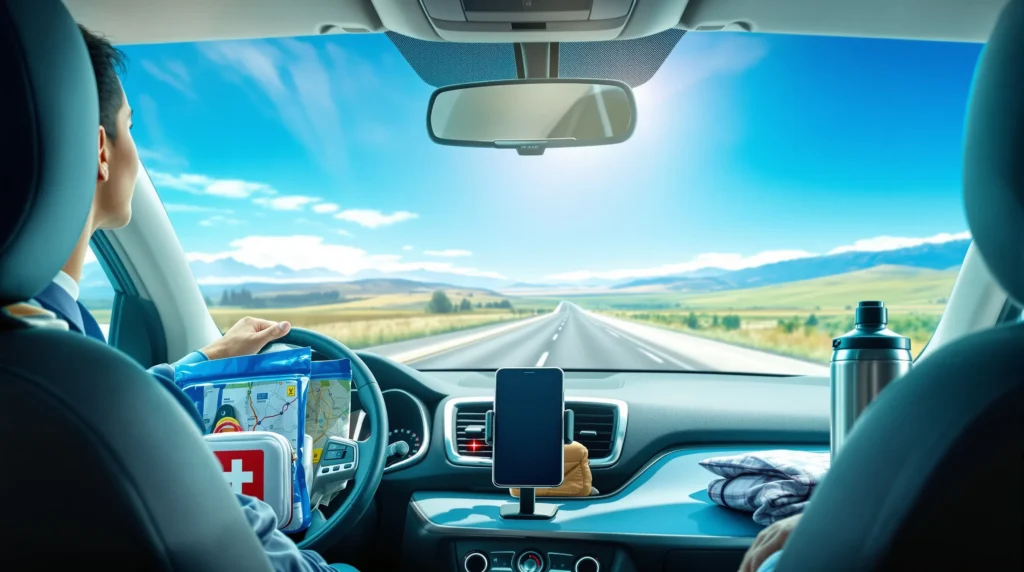
It’s tempting to fill the trunk with snacks and pillows, but don’t forget the essentials. Here’s what every road trip safety kit needs:
- First aid kit
- Jumper cables
- Flashlight (with extra batteries)
- Reflective triangles or flares
- Basic tools (screwdriver, pliers, wrench)
- Blanket and water bottles
- Phone charger and backup power bank
Here’s why: When you’re stuck in the middle of nowhere, a flashlight or jumper cable can feel like magic. Don’t skip these.
On the Road: Stay Sharp, Stay Safe
Plan Your Route—But Stay Flexible
Apps like Google Maps and Waze are great, but don’t trust them blindly. Download offline maps in case you lose signal. Check for road closures or weather alerts before you leave. If you’re driving through remote areas, let someone know your route and ETA. It’s not just for worriers—if you go missing, someone will know where to start looking.
Beat Fatigue Before It Beats You
Here’s a hard truth: Drowsy driving is as dangerous as drunk driving. If you feel your eyelids drooping, pull over. No playlist or energy drink can replace real rest. Rotate drivers if you can, and aim for a break every two hours. Even a five-minute walk around a rest stop can reset your brain.
Keep Distractions in Check
We all love a good road trip playlist, but texting, scrolling, or fiddling with the GPS can wait. Set your music and directions before you start moving. If you need to change something, pull over. Your group chat will survive if you reply a little late.
Weather: Expect the Unexpected
Rain, snow, fog—bad weather can sneak up fast. Slow down, increase your following distance, and use headlights in low visibility. If conditions get dangerous, find a safe place to wait it out. No destination is worth risking your life.
What to Do When Things Go Wrong
Breakdowns: Stay Calm, Stay Visible
If your car breaks down, pull as far off the road as possible. Turn on your hazard lights. Set up reflective triangles behind your car. Stay inside with your seatbelt on if you’re on a busy highway. Call for help and wait it out. If you have to get out, exit on the side away from traffic.
Accidents: Safety First, Details Second
First, check for injuries. Call emergency services if needed. Exchange information with other drivers, but don’t admit fault on the spot. Take photos of the scene and damage. If you’re shaken up, that’s normal—take a few deep breaths before you get back on the road.
Road Trip Safety Tips for Families and Pets
Traveling with Kids
Kids get bored fast. Pack snacks, games, and comfort items. Use car seats or boosters as required by law. Never leave kids alone in the car, even for a minute. Plan extra stops for bathroom breaks and leg-stretching.
Bringing Pets Along
Secure pets in a carrier or with a harness. Bring water, food, and their favorite toy. Never let pets roam free in the car—they can distract the driver or get hurt in a crash. Stop every few hours for bathroom breaks and fresh air.
Unique Insights: The Road Trip Safety Tips Nobody Tells You
- Keep a spare key in your wallet or with a travel buddy. Lockouts happen more than you think.
- Take a photo of your license plate and insurance card. If your car gets stolen or you need info fast, you’ll have it.
- Stash a $20 bill in your glove box. Sometimes, cash is the only thing that works at remote gas stations.
- Trust your gut. If a rest stop feels sketchy, keep driving. Your instincts are there for a reason.
Let’s break it down: Road trip safety tips aren’t just about avoiding disaster—they’re about making sure your trip is memorable for the right reasons. Every small step adds up to a smoother, safer journey.
Next Steps: Make Road Trip Safety a Habit
Here’s the truth: You don’t need to be a mechanic or a survival expert to follow these road trip safety tips. You just need a little preparation and a lot of common sense. Before your next adventure, run through this guide. Share it with your travel crew. And remember, the best road trips are the ones where you come home with great stories—and no regrets.